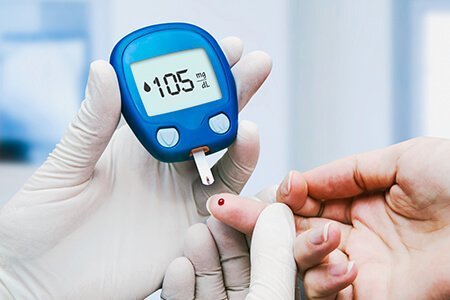
Diabetes is a chronic condition that affects how your body processes blood sugar (glucose). It is a growing health concern globally, with millions of people diagnosed every year. Left unmanaged, diabetes can lead to serious complications, including heart disease, kidney failure, and nerve damage. In this blog, we’ll explore what diabetes is, how it is diagnosed, and the current approaches to managing it. What is Diabetes? Diabetes is a disease in which the body either cannot produce enough insulin or cannot effectively use the insulin it produces. Insulin is a hormone produced by the pancreas that allows your cells to take in glucose from the bloodstream, providing energy for your body. When this process is disrupted, blood sugar levels rise, leading to hyperglycemia, or high blood sugar. There are three main types of diabetes: Symptoms of Diabetes The symptoms of diabetes can vary based on the type and the severity of the condition. Some common symptoms include: Frequent urination Excessive thirst and hunger Unexplained weight loss Fatigue Blurry vision Slow-healing sores or frequent infections Tingling or numbness in hands or feet (particularly in Type 2 diabetes) If you experience any of these symptoms, it’s important to seek medical advice for proper diagnosis and management. Diagnosis of Diabetes Diabetes is typically diagnosed through a series of blood tests that measure the level of glucose in your blood. Common tests include: It’s important to remember that early diagnosis is crucial to prevent complications and start effective management. Management of Diabetes Managing diabetes involves a combination of lifestyle changes, medication, and regular monitoring to keep blood sugar levels within a target range. While there is no cure for diabetes, proper management can help control the condition and allow individuals to live healthy, active lives. Dietary Changes: A healthy, balanced diet is essential in managing diabetes. Focus on whole grains, vegetables, lean proteins, and healthy fats. Limit processed foods, sugary snacks, and refined carbohydrates that can cause blood sugar spikes. A registered dietitian can help develop a personalized eating plan. Exercise: Regular physical activity helps regulate blood sugar levels by increasing insulin…
Read More