There are various types of headache pain pills available, and the right choice often depends on the type and severity of the headache. Here are some common options:
Read More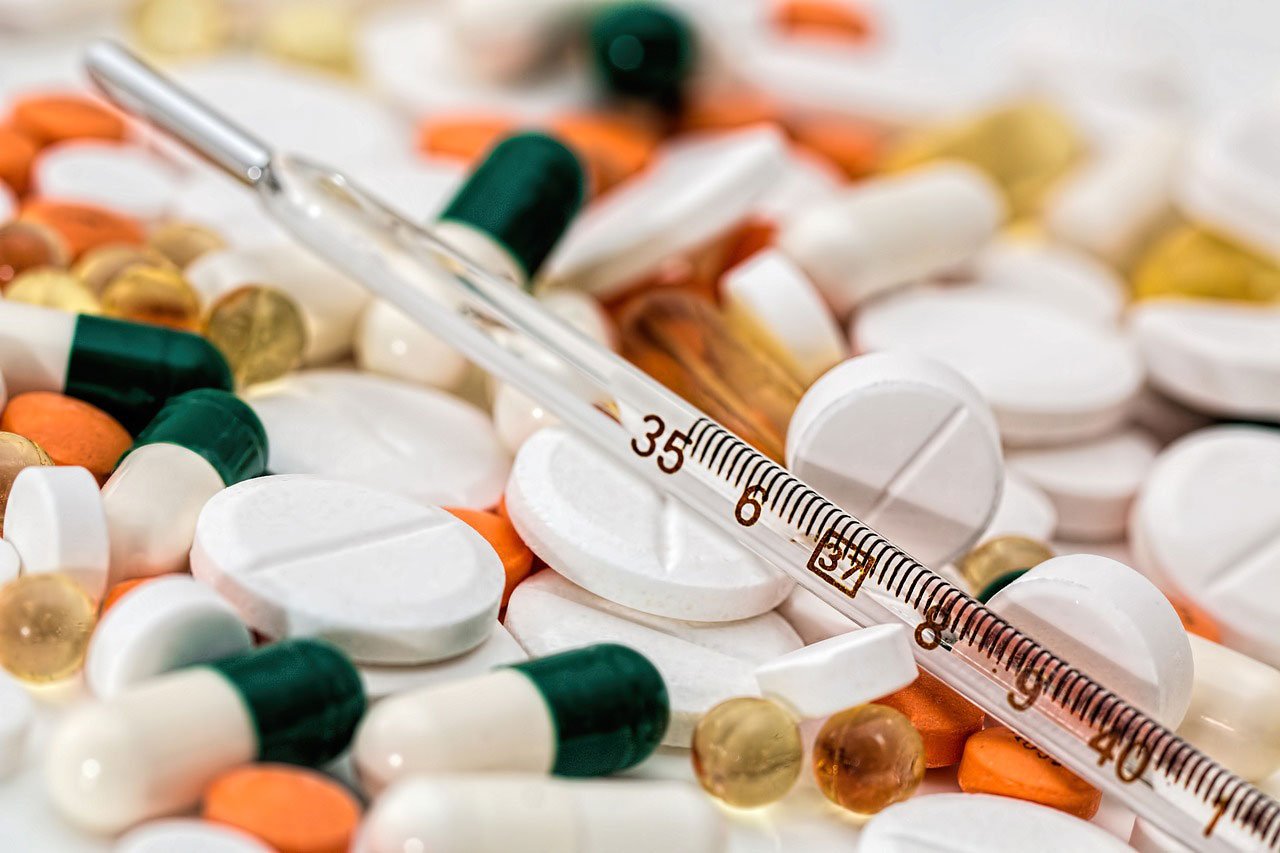

Trusted Multispeciality Hospital in Faridabad for Affordable, Advanced & Compassionate Healthcare
There are various types of headache pain pills available, and the right choice often depends on the type and severity of the headache. Here are some common options:
Read More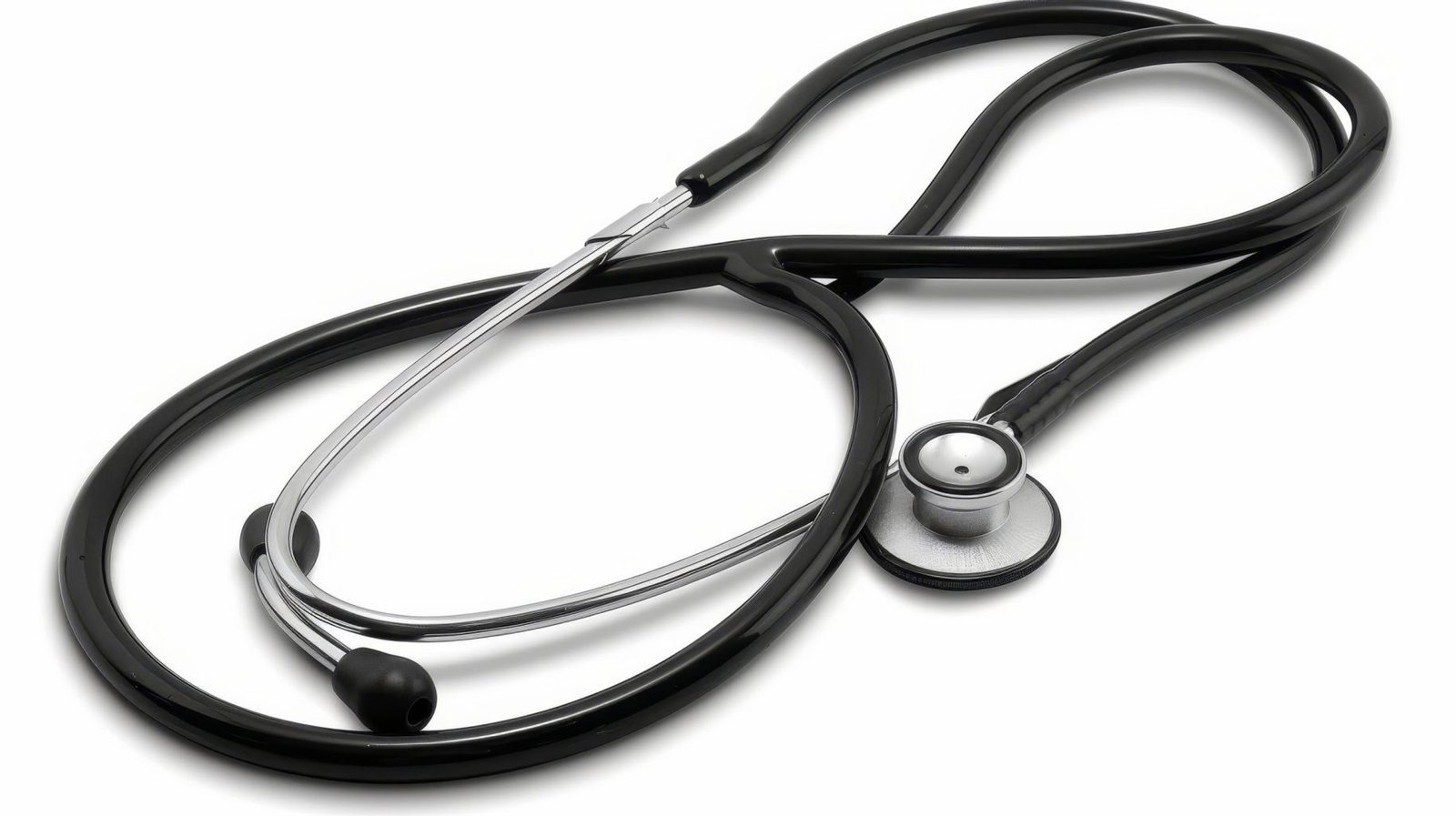
The stethoscope is a crucial tool in the field of medicine, playing a significant role in the diagnosis and monitoring of patients. Here are some key points highlighting its importance: Auscultation: The primary function of a stethoscope is to allow healthcare providers to perform auscultation, which is the act of listening to the internal sounds of a patient’s body. This includes listening to heart, lung, and bowel sounds to assess their condition and identify any abnormalities. Cardiac Assessment: With a stethoscope, doctors can hear heartbeats, including the rate, rhythm, and any abnormal sounds such as murmurs or irregularities, which can indicate conditions like valve disorders, heart failure, or arrhythmias. Respiratory Evaluation: Stethoscopes are essential for listening to breath sounds in the lungs. This helps in diagnosing conditions such as pneumonia, bronchitis, asthma, and other respiratory issues. The presence of crackles, wheezes, or decreased breath sounds can provide vital diagnostic clues. Blood Pressure Measurement: When used with a sphygmomanometer, a stethoscope helps measure blood pressure by allowing the listener to hear the Korotkoff sounds, which indicate systolic and diastolic pressures. Gastrointestinal Assessment: Stethoscopes enable the listening of bowel sounds, which can help diagnose conditions like bowel obstructions, ileus, or gastrointestinal motility disorders. Peripheral Vascular Assessment: By listening to blood flow in arteries and veins, stethoscopes can help detect vascular conditions such as bruits, which are abnormal sounds indicating turbulent blood flow due to narrowing or blockages. Non-invasive and Immediate Feedback: Stethoscopes provide immediate, non-invasive feedback, making them invaluable for rapid assessments in various settings, including emergency situations, routine check-ups, and ongoing monitoring of chronic conditions. Educational Tool: For medical students and trainees, learning to use a stethoscope effectively is a fundamental skill. It helps them develop their clinical acumen and diagnostic abilities through practice and experience. The stethoscope remains an indispensable instrument in modern medicine due to its versatility, ease of use, and the critical information it provides during patient examinations.
Read More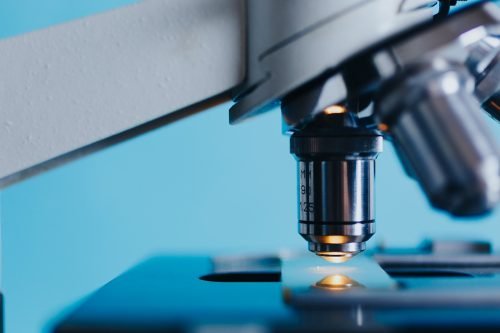
Laboratory tests utilize various chemical methods to gauge the levels of chemical elements in the body’s tissues and fluids. The most typical samples used in lab tests are urine and blood. A physician reviews these test samples to decide if the outcomes are common. Lab tests have a distinct range because it normally differs from person to person. There are several other lab tests performed as well to notice and gauge nearly any kind of chemical element in urine or blood. Those chemical elements can comprise electrolytes, blood glucose, hormones, enzymes, lipids, or different metabolic proteins and substances. Given below are some of the more typical laboratory tests: Blood tests Urine test Tumor markers. Laboratory tests are usually a component of a regular checkup to examine transformations in the health of an individual. In addition, they tend to assist doctors in diagnosing medical diseases. Devising or evaluating remedies or treatments, thereby monitoring various conditions, is a crucial part of laboratory tests. Factors that influence lab test results are: Age, race and sex Foods you eat Medicines or prescriptions you take How nicely do you follow pre-test instructions. Lab tests provide essential information about your organs and various body parts. Lab tests likewise help diagnose disease before noticing any significant symptoms of a disease. Things to consider before lab tests: Obey instructions given by the doctor. Be genuine about your health-related problems; a little variation may affect the results of tests. Be specific about the medications, supplements, or vitamins that you are using to your doctor. Considering the below steps can assure good and precise outcomes of tests: Simply answering the questions that a lab expert or your doctor asks is considered a basic step. Fasting is considered a typical lab test preparation, which means the patient should not consume anything except water before undergoing the tests. The duration of fasting can differ and for that, getting precise advice from the doctor can be more useful. Other test preparations include Avoiding certain foods and drinks like alcohol, cooked meat, herbal tea, and many other such food items. Avoiding Smoking Avoiding certain behaviors like intense workouts or sexual activities. Some most typical lab tests that need fasting are : Cholesterol Test Blood Glucose Test Triglycerides Test Calcitonin Test KFT, HBA1C, LFT and Thyroid Profile Some tests that need extra preparations are: Creatinine Cortisol Pap Smear 5- HIAA and many more tests. Double Marker, Quadruple Marker and AMH Take a look at the equipment that we use for different lab tests: Lab tests give a precise overview of your health conditions, thereby providing the outcomes that help the doctors detect your illness and take desirable steps and medications to cure those diseases.
Read More