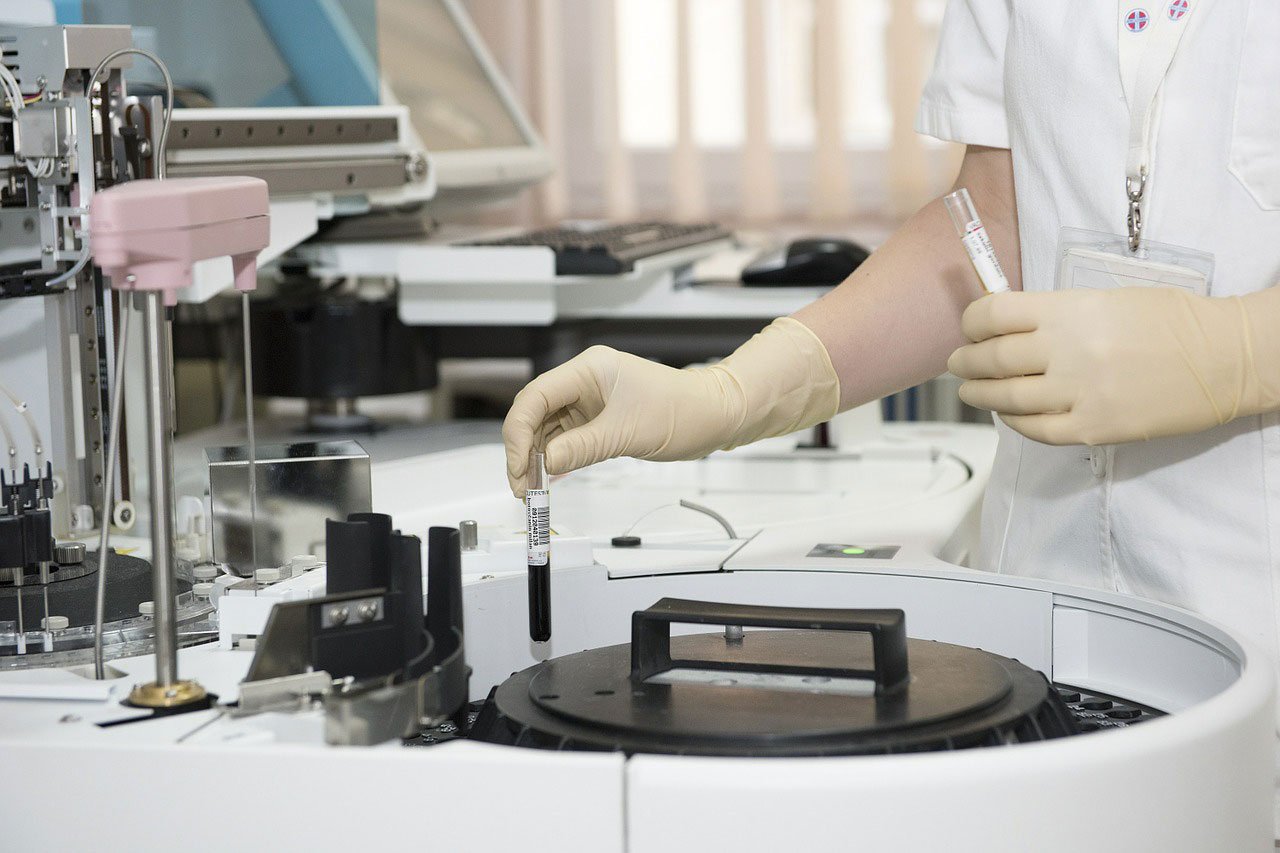
Understanding Diabetes: Introduction, Diagnosis, and Management

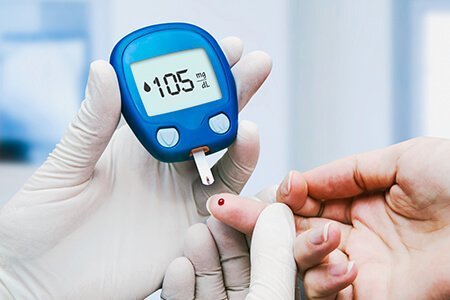
Diabetes is a chronic condition that affects how your body processes blood sugar (glucose). It is a growing health concern globally, with millions of people diagnosed every year. Left unmanaged, diabetes can lead to serious complications, including heart disease, kidney failure, and nerve damage. In this blog, we’ll explore what diabetes is, how it is diagnosed, and the current approaches to managing it. What is Diabetes? Diabetes is a disease in which the body either cannot produce enough insulin or cannot effectively use the insulin it produces. Insulin is a hormone produced by the pancreas that allows your cells to take in glucose from the bloodstream, providing energy for your body. When this process is disrupted, blood sugar levels rise, leading to hyperglycemia, or high blood sugar. There are three main types of diabetes: Symptoms of Diabetes The symptoms of diabetes can vary based on the type and the severity of the condition. Some common symptoms include: Frequent urination Excessive thirst and hunger Unexplained weight loss Fatigue Blurry vision Slow-healing sores or frequent infections Tingling or numbness in hands or feet (particularly in Type 2 diabetes) If you experience any of these symptoms, it’s important to seek medical advice for proper diagnosis and management. Diagnosis of Diabetes Diabetes is typically diagnosed through a series of blood tests that measure the level of glucose in your blood. Common tests include: It’s important to remember that early diagnosis is crucial to prevent complications and start effective management. Management of Diabetes Managing diabetes involves a combination of lifestyle changes, medication, and regular monitoring to keep blood sugar levels within a target range. While there is no cure for diabetes, proper management can help control the condition and allow individuals to live healthy, active lives. Dietary Changes: A healthy, balanced diet is essential in managing diabetes. Focus on whole grains, vegetables, lean proteins, and healthy fats. Limit processed foods, sugary snacks, and refined carbohydrates that can cause blood sugar spikes. A registered dietitian can help develop a personalized eating plan. Exercise: Regular physical activity helps regulate blood sugar levels by increasing insulin…

Read More
How to improve posture and prevent back problems

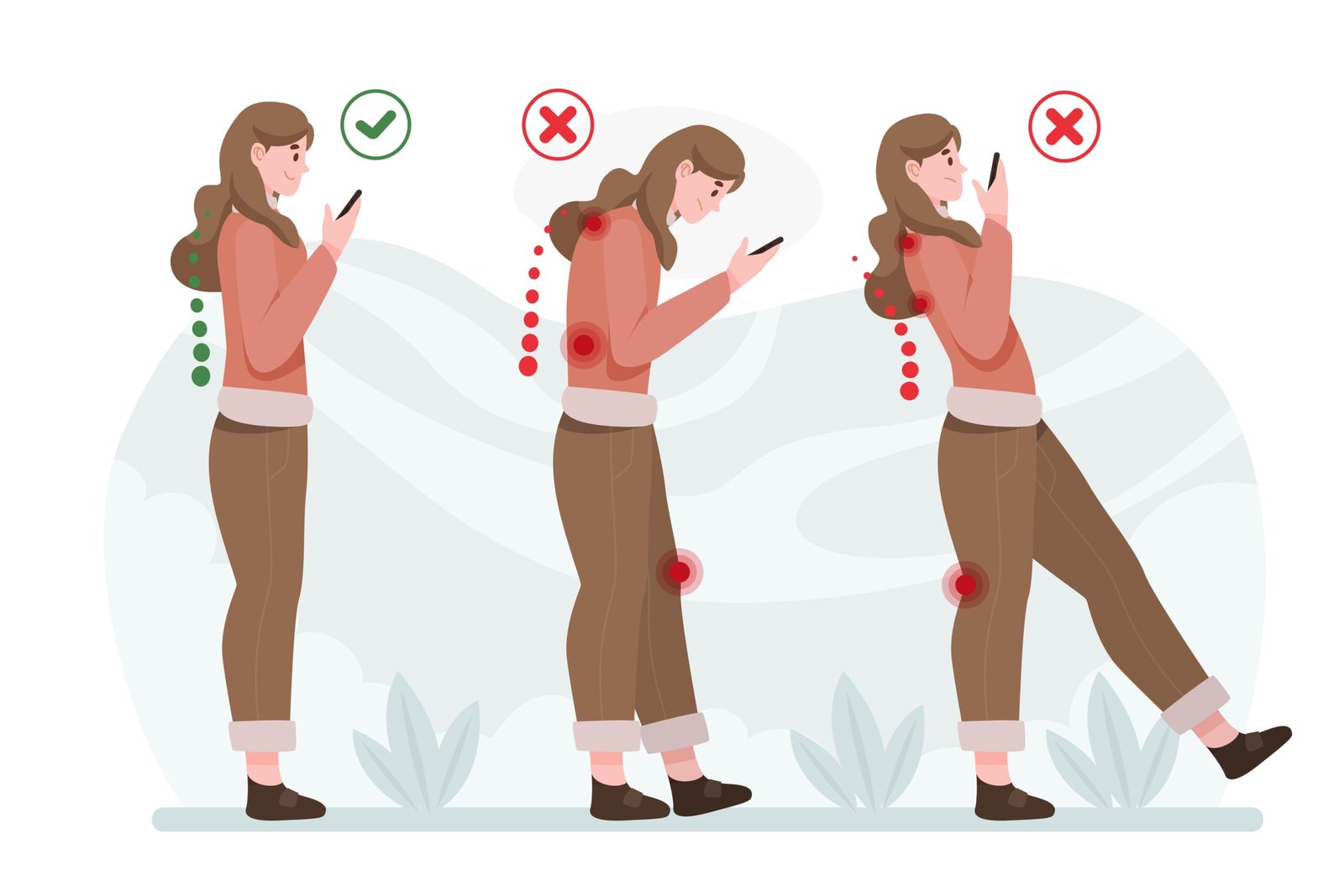
Good posture is essential for maintaining a healthy spine and preventing back problems. Poor posture can lead to chronic pain, muscle fatigue, and even long-term skeletal issues. Dr. Vinit Karn, the best orthopedist in Faridabad, offers expert tips on how to improve your posture and keep your back healthy. Tips to Improve PostureMind Your Sitting Posture: When sitting, keep your feet flat on the ground, your back straight, and your shoulders relaxed. Use a chair with good lumbar support to maintain the natural curve of your spine. Stand Tall: While standing, distribute your weight evenly on both feet. Keep your shoulders back, your head level, and your abdomen tucked in. Avoid slouching or leaning to one side. Use Ergonomic Furniture: Invest in an ergonomic chair and desk setup if you spend a lot of time sitting. This helps maintain proper posture and reduces the risk of back strain. Strengthen Core Muscles: A strong core supports your spine. Incorporate exercises like planks, bridges, and abdominal crunches into your routine to strengthen your core muscles. Take Frequent Breaks: If you sit or stand for long periods, take regular breaks to move around and stretch. This helps prevent muscle stiffness and promotes better posture. Adjust Your Workspace: Ensure your computer screen is at eye level and your keyboard and mouse are within easy reach. This setup prevents hunching and encourages a neutral spine position. Wear Supportive Footwear: Choose shoes with proper arch support and avoid high heels. Supportive footwear helps maintain balance and proper posture. Practice Good Lifting Techniques: When lifting heavy objects, bend at your knees, keep your back straight, and use your legs to lift. This reduces the risk of back injuries. When to See an OrthopedistIf you experience persistent back pain or difficulty maintaining good posture, it’s essential to consult with a specialist. ConclusionImproving your posture is a key step in preventing back problems and maintaining overall health.

Read More

Understanding PMS and Menstrual Cramps

Premenstrual syndrome (PMS) and menstrual cramps are common issues that many women face each month. Managing these symptoms effectively can significantly improve your quality of life. Dr. Bijaya Shalini, the best gynecologist in Faridabad, offers expert advice on how to alleviate discomfort and maintain your well-being during this time. Understanding PMS and Menstrual CrampsPMS refers to a group of symptoms that occur before your period, including mood swings, bloating, fatigue, and irritability. Menstrual cramps, or dysmenorrhea, are painful contractions of the uterus that occur during your period. Tips for Managing PMS and Menstrual CrampsHealthy Diet: Maintain a balanced diet rich in fruits, vegetables, and whole grains. Reducing salt, caffeine, and sugar intake can help minimize bloating and mood swings. Stay Hydrated: Drinking plenty of water can help reduce bloating and ease menstrual cramps. Regular Exercise: Physical activity, such as walking, yoga, or swimming, can boost your mood and reduce cramp intensity by increasing blood circulation. Heat Therapy: Applying a heating pad or hot water bottle to your lower abdomen can relax muscles and alleviate cramps. Over-the-Counter Pain Relief: Non-prescription medications like ibuprofen or naproxen can help reduce inflammation and pain. Stress Management: Techniques such as meditation, deep breathing exercises, and adequate sleep can help manage stress and reduce PMS symptoms. Supplements: Calcium, magnesium, and vitamin B6 supplements may help alleviate PMS symptoms. Always consult with your gynecologist before starting any new supplement regimen. Hydration and Herbal Teas: Herbal teas like chamomile, ginger, and peppermint can have soothing effects and help with bloating and cramps. When to See a GynecologistIf your PMS or menstrual cramps are severe and impact your daily life, it’s important to seek medical advice. Dr. Bijaya Shalini, the best gynecologist in Faridabad, can provide personalized treatment plans and recommendations to help you manage your symptoms effectively. ConclusionManaging PMS and menstrual cramps involves a combination of lifestyle changes, home remedies, and, when necessary, medical treatment. By following these tips and seeking expert advice from Dr. Bijaya Shalini, you can significantly reduce discomfort and improve your overall well-being during your menstrual cycle. If you have any concerns or need further assistance, don’t hesitate to schedule an appointment with Dr. Shalini for comprehensive care and support.

Read More